Choosing a Car for Rural Roads in Ireland
Most motoring guides are written with city drivers in mind. They evaluate cars on motorway composure, parking sensors, and urban fuel economy — all perfectly sensible metrics if your daily commute involves ring roads and multi-storey car parks. They are considerably less useful if your front gate opens onto a boreen that hasn’t seen a road crew since the last government. Choosing a car for rural roads in Ireland is a different exercise entirely, and it deserves to be treated as one.
This guide covers the specific criteria that matter when you live and drive outside a city — the ground realities of Irish country roads, the vehicle characteristics that handle them well, and the models worth serious consideration at each budget level.
The Rural Road Reality
Let’s be direct about what rural Irish roads actually involve. In counties like Kerry, Donegal, West Cork, and Connemara, the roads that connect farms, villages, and townlands are frequently single-track, often unsigned, and maintained to a standard that generously might be described as intermittent. Potholes aren’t an occasional inconvenience — they are a permanent feature of the landscape, deepened every winter by frost heave and post-flood deterioration. Flooded laneways in February are not unusual. Neither is a passing place so narrow that wing mirrors become a genuine concern.
Add to this the gradients of upland Kerry or the loose gravel of a farm track in Roscommon, and you begin to understand why a glossy review praising a sports saloon’s handling dynamics on the B-roads of Surrey is of limited relevance to a driver in Cahersiveen.
Distance from services compounds everything. A car that spends six months with a warning light on because the nearest franchised dealer is 45 minutes away is a problem that urban drivers rarely need to think about. Reliability, serviceability, and parts availability are not optional extras in a rural Irish context — they are the baseline.
The Five Criteria That Actually Matter for Rural Drivers
Forget brand prestige and alloy wheel design. When choosing a car for rural roads in Ireland, the following five factors deserve the most weight.
Ground Clearance
This is the single most important measurement on any rural car shortlist. Ground clearance — the distance between the lowest point of the vehicle’s undercarriage and the road surface — is what stands between a pothole and a cracked sump. A minimum of 180mm is recommended for regularly driven rural roads with significant surface damage. For farm tracks, bog roads, or flood-prone laneways, 200mm or above is preferable. Most mid-size SUVs sit in the 185–210mm range, which covers the vast majority of Irish rural conditions.
All-Wheel Drive — When It Matters and When It Doesn’t
AWD is genuine capability on wet grass, mud, or loose gravel — all of which Irish rural drivers encounter regularly. It is not a substitute for ground clearance, and it is absolutely not worth paying a premium for if your roads are paved, however poorly. For the majority of rural drivers on public roads, a well-specified AWD SUV is entirely adequate. A true 4×4 with low-range gearing is only necessary if you are regularly on unmade surfaces, such as farm tracks or bog roads.
Suspension Robustness
A sports car’s stiff, low-profile suspension setup that delivers excellent cornering feedback on smooth tarmac will transmit every Irish pothole directly to your spine and cost you in repairs within a year. You want a suspension system designed for compliance over rough surfaces — multi-link rear setups and longer suspension travel are your friends. This is one area where mainstream SUVs and traditional 4x4s have a clear structural advantage over performance-oriented saloons and hatchbacks.
Approach and Departure Angles
Often overlooked in mainstream reviews, approach angle (the angle at which the front of the car can meet an obstacle without scraping) and departure angle (the same at the rear) are critical for farm entrances, steep verges, and those particularly aggressive dips where a field gate meets a main road. A long front overhang — common on prestige saloons — is a liability on rural Irish roads. Shorter overhangs, as found on compact SUVs and off-road-oriented vehicles, cope considerably better.
Boot and Load Capacity
Rural life generates cargo that urban life doesn’t. Feed bags, fencing materials, tools, the irregular trip to the recycling centre with items that wouldn’t fit in a wheelie bin — the boot of a rural car earns its keep in ways that a city car’s rarely does. Towing capacity is also worth considering if there’s any possibility of a trailer, a boat, or livestock movement in your future. Estate cars and SUVs are generally strong here; compact hatchbacks less so.
Vehicle Categories Ranked for Rural Suitability
SUVs and Crossovers — The Recommended Starting Point
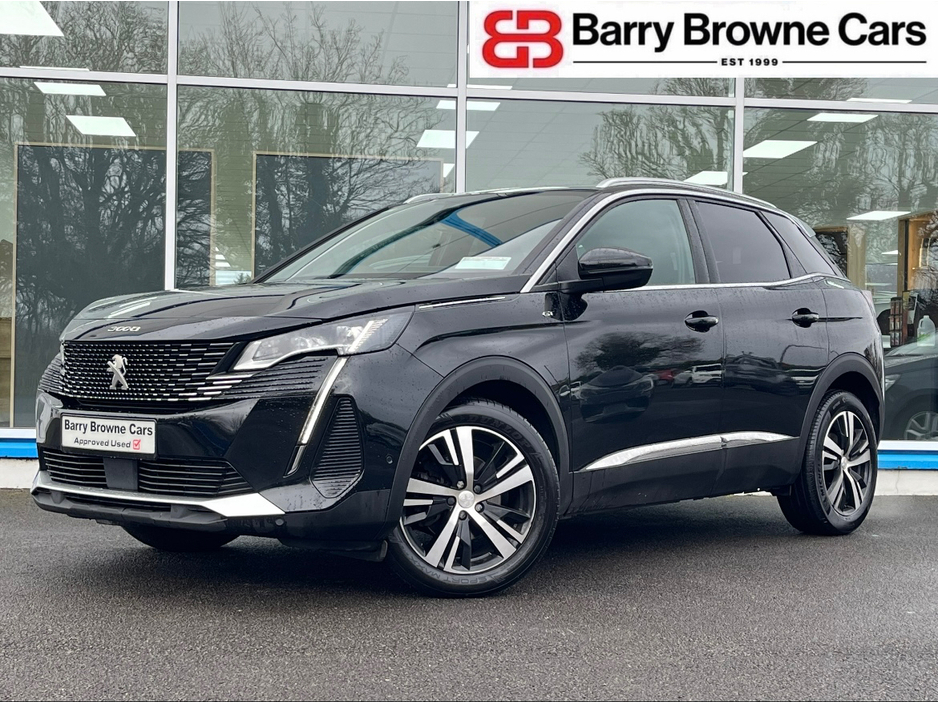
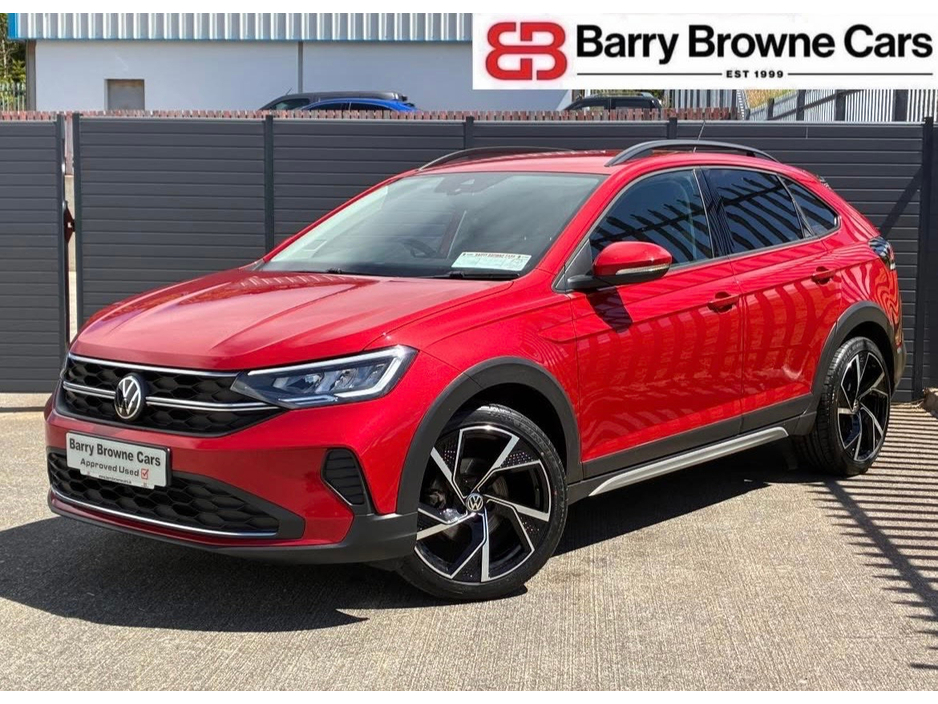
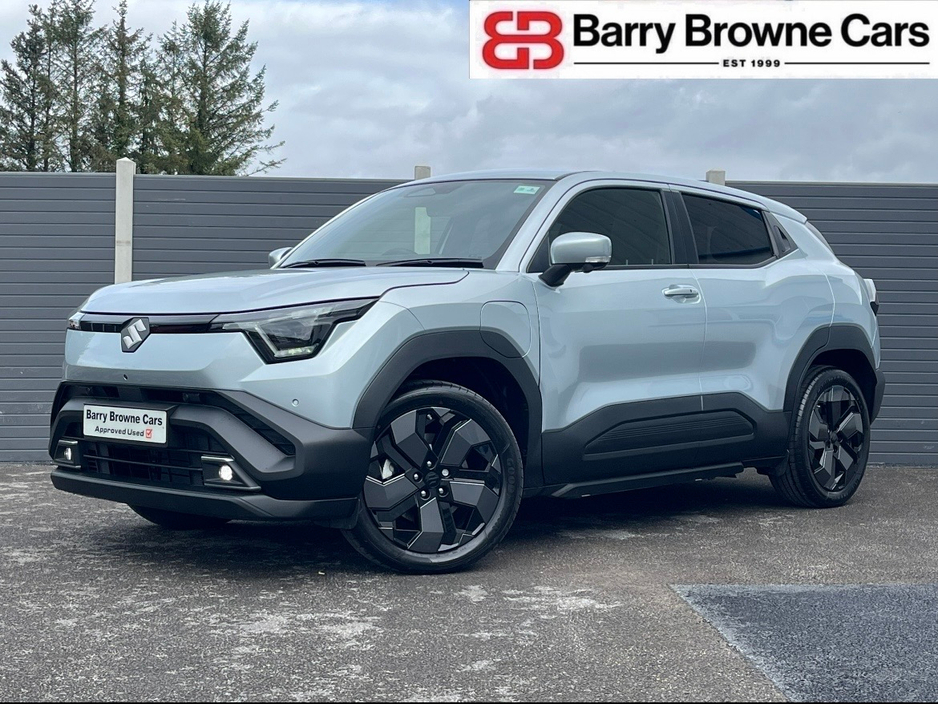
For most rural Irish drivers, a compact or mid-size SUV represents the best balance of ground clearance, AWD capability, suspension compliance, and everyday practicality. They ride well on bad surfaces, offer commanding visibility on narrow roads, and carry enough load to be genuinely useful. Models in this category — the Toyota RAV4, Hyundai Tucson, Ford Kuga, and Nissan X-Trail among them — consistently prove themselves on Irish country roads.
True 4x4s and Off-Road Vehicles
If your daily use includes regular access across unmade ground — a working farm, forestry, bog access — a proper 4×4 with low-range gearing earns its premium. The Toyota Land Cruiser remains the gold standard for longevity and reliability in demanding conditions, and has a justifiably devoted following in rural Ireland. The Mitsubishi L200 and Isuzu D-Max offer genuine working capability with the added benefit of a load bed. These are not lifestyle choices — they are tools, and they perform as such.
Diesel, Petrol, and Hybrid — Fuel Choices for Rural Drivers
Diesel remains a sensible choice for high-mileage rural drivers covering long distances regularly — the fuel economy advantage on open roads is real, and torque delivery on gradients is strong. Petrol suits lower annual mileages and is less affected by the DPF (diesel particulate filter) issues that can arise from short, slow journeys. Plug-in hybrids (PHEVs) offer the best of both worlds for drivers with predictable shorter routes and home charging capability, providing electric efficiency locally with petrol range for longer runs.
Electric Vehicles in Rural Ireland — An Honest Assessment
The honest position on EVs for rural Irish drivers in 2025 is this: they work well in specific circumstances and poorly in others. If you have home charging capability, a predictable daily range below 150 miles, and the use of a second vehicle for longer journeys, an EV can be an excellent choice. If you depend on public charging infrastructure outside of major towns and primary routes, the gaps remain real and frustrating. The network is improving, but it has not yet reached the point where a rural driver can rely on it unconditionally. A PHEV is the more practical choice for most single-vehicle rural households at present.
What to Avoid
Low-profile sports saloons and performance hatchbacks are poorly suited to rural Irish roads — their suspension geometry is tuned for smooth surfaces, and their low ride height makes pothole damage a near-certainty over time. Very wide vehicles — large American-style pick-ups and some full-size SUVs — can become genuinely stressful on narrow boreens with passing places. Stiff-spring performance variants of otherwise sensible models are also worth steering away from.
Not Sure Which Category Suits Your Roads? Barry Browne Cars Can Help.
The team at Barry Browne Cars have been helping rural drivers across Co. Donegal find the right vehicle for decades. Whether you’re covering five miles of boreen or fifty miles of national road daily, we’ll match you to a car built for the journey — not just the forecourt.
Recommended Models for Irish Rural Roads
The following recommendations are based on proven performance on Irish road conditions, parts and service availability in Ireland, and the balance of capability versus running costs that rural drivers actually experience.
Budget Tier — Under €20,000 (Used)
- Toyota RAV4 — Exceptional reliability record, widely serviced across Ireland, strong ground clearance and AWD performance.
- Hyundai Tucson — Well-built, practical, and comfortable on poor surfaces. Parts readily available throughout the country.
- Skoda Karoq — Compact enough for narrow lanes, more capable on rough surfaces than its refined interior suggests.
Mid-Range — €20,000–€35,000
- Mitsubishi Outlander PHEV — One of the best rural PHEVs available; strong AWD, excellent ground clearance, proven in Irish conditions.
- Ford Kuga PHEV — Well-sorted suspension, practical load space, and plug-in efficiency for local runs.
- Nissan X-Trail — Three-row seating option, solid AWD system, and a suspension setup that absorbs Irish roads with composure.
Premium and Working Farm Vehicles
- Toyota Land Cruiser — The benchmark for rural reliability worldwide, with a particularly strong track record across Irish farming communities.
- Mitsubishi L200 — Proven pick-up with genuine off-road credentials and strong towing capacity.
- Isuzu D-Max — Competitive with the L200 and increasingly popular amongst Irish farmers and contractors for its durability.
Compact Options for Narrower Lanes
- Dacia Duster — Remarkable value, genuine AWD, and a no-nonsense construction that holds up well on rough surfaces.
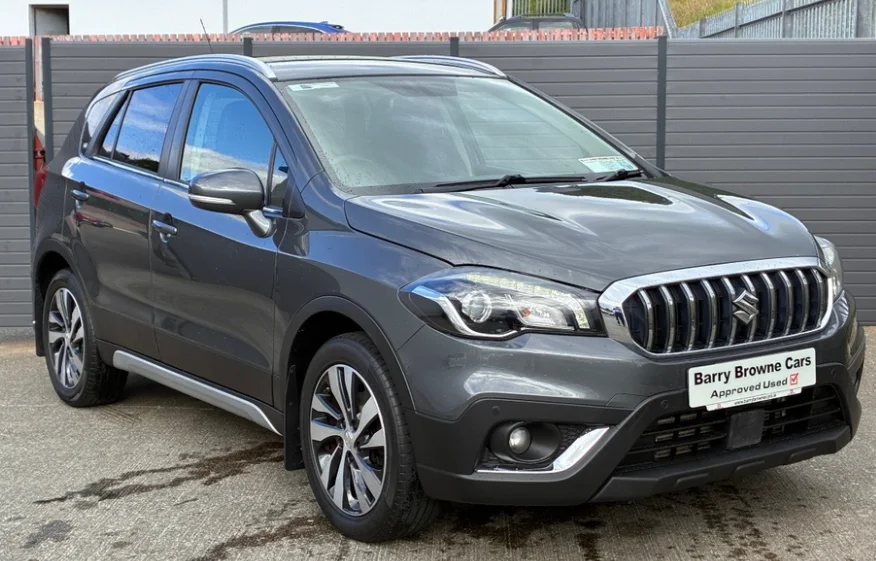
- Suzuki Vitara — Compact, light, and available with AWD. Particularly well-suited to tighter rural roads where size matters.
- Toyota Yaris Cross — A sensible choice for drivers who need a city-capable car that can also handle poor rural surfaces.
A note on used versus new: the current Irish used car market remains strong, and a well-maintained used SUV from a reputable dealer often represents significantly better value than a new equivalent — particularly for rural buyers who expect their vehicles to accumulate mileage quickly. The models listed above have strong used market support in Ireland, with parts and service networks that extend well beyond the cities.
Maintenance Considerations for Rural Drivers
Underseal and Rust Protection
Ireland’s damp climate and the road salt applied liberally through winter create ideal conditions for accelerated corrosion on a vehicle’s undercarriage. If you are buying used, have the underside inspected carefully, and consider having an underseal applied as a preventative measure. This is especially important for vehicles that will be used on roads where gravel, mud, and standing water are regular features.
Tyre Selection for Mixed Surfaces
Standard road tyres are fine for the vast majority of rural Irish roads, including poorly maintained public roads. All-terrain tyres become worth considering if you regularly drive on unmade surfaces, but they come with trade-offs in motorway noise and wet tarmac performance. For most rural drivers, a quality all-season or mud-and-snow rated standard tyre is the practical compromise.
Service Intervals and Dealer Proximity
When the nearest franchised dealer is 40 or more minutes away, service interval length matters more than it might appear. Long-life service schedules — common on modern SUVs — reduce the frequency of necessary dealer visits. More importantly, a vehicle with a broadly available parts network means that local independent garages can service it competently, without waiting on parts from a specialist supplier.
The Value of a Local Dealer Relationship
Buying from a local dealer who knows the roads you’re on is worth more than the nominal saving you might achieve from a national online platform. A good local dealer understands the specific demands of your area, can advise honestly on whether a particular model handles your type of roads well, and offers the kind of after-sales accountability that vanishes the moment you click purchase on a faceless website. In rural Ireland, the relationship with a trusted dealer is a practical asset, not a sentimental one.
Making the Right Decision for Your Roads
If you take one thing from this guide, let it be this: the combination of adequate ground clearance and genuine AWD capability covers the majority of Irish rural driving requirements. Everything else — comfort, fuel economy, boot space — is important but secondary to those two factors if the roads you drive every day are genuinely demanding.
Test drive any serious contender on a road that looks like yours — not a smooth forecourt approach designed to flatter ride quality. If a dealer won’t accommodate that, find one who will. And if you’re buying a used car, ask what the car was used for previously. A high-mileage rural SUV from a working farm deserves a different level of scrutiny than the same car with similar mileage from a suburban commuter.
Choosing a car for rural roads in Ireland is ultimately about matching the vehicle to the reality of your life, not to the aspirational imagery of a manufacturer’s brochure. The cars that earn a genuine following in rural Ireland do so because they keep working, year after year, on roads that would have a lesser vehicle in the garage.
Ready to Find a Car That Earns Its Keep on Irish Roads?
At Barry Browne Cars, we stock a carefully selected range of vehicles suited to rural Irish driving — from robust SUVs to dependable 4x4s. Our team understands the roads you’re on because we’re on them too. Visit our showroom, browse our current stock online, or give us a ring — no obligation, just honest advice.
Frequently Asked Questions
What is the best type of car for rural roads in Ireland?
For most rural Irish drivers, a compact or mid-size SUV with all-wheel drive and a ground clearance of at least 180mm offers the best combination of road capability, comfort, and practicality. Models such as the Toyota RAV4 and Hyundai Tucson consistently perform well on Irish country roads, offering the height advantage to clear potholes and the AWD traction needed in wet and muddy conditions. Estate cars and crossovers can also be suitable if the roads are predominantly tarmac but poorly maintained.
Do I need a 4×4 to drive on rural roads in Ireland?
Not necessarily. A true 4×4 is worth considering if you regularly travel on farm tracks, bog roads, or unmade surfaces. For the majority of rural drivers using public roads — even poor-quality boreens — a well-specified AWD SUV is more than adequate and considerably more economical to run. The key is ground clearance and suspension quality rather than the number of driven wheels. If you’re uncertain, speak to a dealer with local knowledge who can assess your specific routes and use case.
Are electric cars suitable for rural living in Ireland?
EVs can work well for rural drivers with predictable, shorter daily routes and home charging capability — but they come with real limitations in 2025. Public charging infrastructure outside major towns and along primary routes remains patchy. For drivers covering long distances or relying on a single vehicle for all purposes, a plug-in hybrid (PHEV) is often the more practical choice, combining electric efficiency for local runs with petrol range for longer journeys. This balance is likely to shift as infrastructure improves over the coming years.
What ground clearance do I need for Irish country roads?
A minimum of 180mm is generally recommended for regularly driven rural roads with significant pothole damage or uneven surfaces. For more demanding terrain — farm entrances, gravel tracks, or flood-prone lanes — look for 200mm or above. Most mid-size SUVs fall within the 185–210mm range, which covers the vast majority of rural Irish road conditions without requiring a dedicated off-road vehicle.
Why should I buy from a local Irish dealer rather than online?
A local dealer understands the specific demands of Irish roads in a way that a national online platform simply cannot. They can advise on the most suitable vehicles for your area, have knowledge of local service and parts availability, and offer the accountability that comes with a physical presence in your community. For rural buyers in particular, the relationship with a trusted dealer often proves far more valuable than saving a few hundred euro online — especially when something goes wrong 30 miles from the nearest town.
Does Barry Browne Cars stock vehicles suitable for rural driving?
Yes. Barry Browne Cars stocks a range of SUVs, crossovers, and 4x4s well suited to Irish rural roads, with both new and quality used options available. The team can advise on models best matched to your specific driving conditions and requirements. You can browse current stock online or visit the showroom for a conversation and a test drive on roads you actually know.